The types of equipment buyers accept vary. However, several electrical product categories commonly have resale or surplus potential when their identity, condition, and ownership can be established.
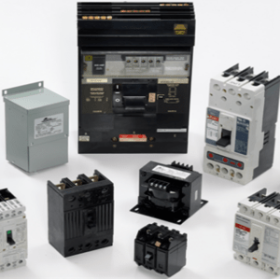
Circuit Breakers
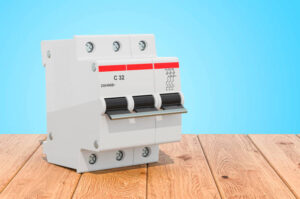
Circuit breakers protect electrical circuits against overloads and short circuits. Businesses may have surplus breakers after electrical upgrades, equipment replacement, or inventory changes.
Examples include:
Molded case circuit breakers (MCCBs)
Air circuit breakers (ACBs)
Miniature circuit breakers (MCBs)
Industrial circuit breakers
Low-voltage and medium-voltage breakers
New surplus and unused breakers
Manufacturer, catalog number, amperage, voltage, poles, interrupting rating, condition, and accessories can influence buyer interest.
Electrical Transformers
Transformers transfer electrical energy between circuits and are used in commercial, industrial, and utility applications.
Depending on buyer requirements, potentially marketable equipment may include:
Dry-type transformers
Distribution transformers
Power transformers
Single-phase transformers
Three-phase transformers
Pad-mounted transformers
Industrial control transformers
Important details include kVA rating, primary and secondary voltage, phase, frequency, manufacturer, winding information, condition, and available documentation.
For oil-filled transformers, disclose known fluid information, leaks, environmental records, and any available PCB documentation. Do not assume an older transformer is free of regulated substances without appropriate records or testing.
Electrical Switchgear and Switchboards
Switchgear and switchboards distribute and protect electrical power in commercial and industrial facilities.
Buyers may review:
Low-voltage switchgear
Medium-voltage switchgear
Metal-enclosed switchgear
Metal-clad switchgear
Switchboards
Breaker sections and related components
Share the manufacturer, model, voltage class, amperage, lineup configuration, breaker information, and available drawings.
Motor Control Centers (MCCs)
Motor control centers contain equipment used to control and protect motors in industrial and commercial applications.
Depending on the configuration, a buyer may consider:
Photograph the lineup and nameplates. Also document the number of sections, bucket sizes, installed components, missing parts, and overall condition.
Electrical Panels, Disconnects, and Other Components
Other equipment that may be considered includes:
Electrical distribution panels
Panelboards
Safety switches
Fused disconnect switches
Bus duct and bus plugs
Contactors and relays
Industrial control components
Electrical distribution accessories
Keep matching components, mounting hardware, manuals, and accessories together whenever possible. A complete, identifiable lot is easier for a buyer to evaluate than a mixed collection of unidentified parts.
How Much Is Used Electrical Equipment Worth?
The value of used electrical equipment depends on several factors. There is no single price that applies to every breaker, transformer, switchgear lineup, or electrical component.
A buyer normally needs to identify the equipment and evaluate its condition before making an offer.
| Valuation factor | How it can affect value |
|---|
| Manufacturer and model | Recognized manufacturers and identifiable models may attract more buyer interest. |
| Condition | New surplus, unused, used, damaged, and incomplete equipment have different resale potential. |
| Age and availability | Discontinued models may have demand, but age alone does not make equipment valuable. |
| Technical specifications | Voltage, amperage, kVA, capacity, frame size, and configuration help determine suitability. |
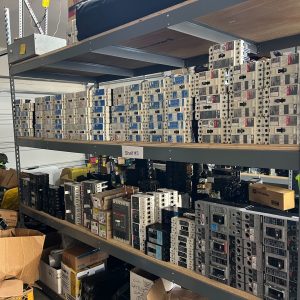
| Quantity | Matching equipment or organized bulk inventory may be easier to evaluate and sell. |
| Completeness | Original accessories, hardware, documentation, and compatible components may improve marketability. |
| Market demand | Buyers consider current demand, replacement needs, and resale opportunities. |
| Transportation requirements | Equipment weight, access, loading, and freight can affect the final offer. |
Does Used Electrical Equipment Have Resale Value?
Yes, some used electrical equipment can have resale value, particularly when it is identifiable, complete, and suitable for a buyer’s requirements.
For example, an unused breaker in original packaging may be evaluated differently from an older breaker with missing parts. A complete switchgear lineup with readable nameplates and drawings may be more attractive than unidentified sections with an unknown history.
However, equipment that is damaged, obsolete, incomplete, contaminated, or difficult to transport may have limited resale potential. In some cases, recycling or material recovery may be the more practical option.
The best way to understand your equipment’s potential value is to provide accurate specifications, current photographs, quantities, and condition details for review.
Where to Find Reliable Electrical Equipment Buyers Near Me in Charlotte?
When searching for used electrical equipment buyers near me, do not choose a buyer based only on a claim of offering the highest price.
Look for a company that understands industrial electrical equipment and provides clear information about its purchasing process.
Before accepting an offer, consider the following:
Product knowledge: Does the buyer understand the equipment category, manufacturer, model, and technical specifications?
Clear evaluation: Does the buyer explain what information is needed to review your inventory?
Transparent terms: Are the purchase price, payment method, inspection conditions, freight, and pickup responsibilities documented?
Relevant experience: Can the buyer demonstrate experience handling similar electrical equipment or surplus inventory?
Practical logistics: Can the buyer explain how heavy or oversized equipment will be safely removed and transported?
Written agreement: Are the accepted items, quantities, condition, price, and transaction responsibilities confirmed in writing?
A professional buyer should be willing to explain what they can evaluate and what additional information they need. Avoid relying on verbal promises that are not reflected in the final agreement.
How to Sell Used Electrical Equipment for Cash in Charlotte, NC
Selling surplus electrical equipment becomes easier when you organize the inventory before contacting potential buyers.
Follow these steps to prepare your equipment for evaluation.
Step 1: Identify Your Electrical Equipment
Start by identifying each product category and recording its manufacturer, model, catalog number, and technical specifications.
For example:
Circuit breakers: manufacturer, model, amperage, voltage, and poles
Transformers: manufacturer, kVA, primary voltage, and secondary voltage
Switchgear: manufacturer, voltage class, amperage, and configuration
Motor control centers: manufacturer, lineup details, sections, and bucket information
If you cannot identify a specification, do not guess. Provide a clear photograph of the nameplate instead.
Step 2: Check and Document the Condition
Separate your inventory into useful categories:
Disclose missing components, visible damage, corrosion, signs of overheating, modifications, and known operating issues.
Do not describe equipment as tested, operational, or ready for installation unless you have appropriate documentation to support that statement.
Step 3: Take Clear Equipment Photos
Photographs help buyers understand what you have before arranging an inspection or discussing transportation.
Capture:
Full equipment photographs
Manufacturer labels
Model and catalog numbers
Nameplates and technical ratings
Accessories and included components
Visible damage or missing parts
Packaging and storage condition
For large equipment, include photographs showing its overall size and the area where it is stored.
Only photograph internal compartments when the equipment has been safely isolated and qualified personnel have authorized access. Never open energized electrical equipment to take pictures.
Step 4: Prepare an Inventory List
Create a simple spreadsheet or written list containing:
Equipment type
Manufacturer
Model number
Quantity
Technical specifications
Condition
Available accessories
Storage location
Available documents
If you have multiple product categories, list them separately. This helps buyers evaluate the inventory more accurately.
Step 5: Request Offers From Multiple Buyers
Contact suitable used electrical equipment buyers in Charlotte, NC, and provide the same inventory information to each one.
Compare more than just the initial price. Review:
Accepted equipment and quantities
Inspection requirements
Payment terms
Shipping and pickup responsibilities
Loading and rigging costs
Any deductions or conditions
Offer validity and transaction timeline
A written offer with clearly defined terms is more useful than an informal estimate.
Step 6: Confirm the Transaction Before Removal
Before releasing equipment, confirm the final purchase agreement, payment arrangements, pickup schedule, loading responsibilities, and ownership transfer.
For large electrical assets, make sure qualified personnel handle isolation, disconnection, and removal. Heavy transformers and switchgear may require specialized rigging and lifting equipment.
How to Get the Best Price for Surplus Electrical Equipment in Charlotte
If you want to get the best possible offer, focus on making your equipment easy to identify and evaluate.
Here are practical ways to improve your selling preparation.
Organize Equipment by Manufacturer and Model
Keep similar products together. Separate different manufacturers, product families, ratings, and models.
A clearly organized inventory makes it easier for buyers to understand exactly what is available.
Keep Original Packaging and Accessories
Original packaging, mounting hardware, manuals, spare components, and other included accessories may improve the usefulness of an equipment lot.
Do not discard these items before discussing the inventory with a buyer.
Provide Accurate Technical Information
Buyers need more than a product category. A description such as “used electrical breaker” does not provide enough information for a reliable evaluation.
Include the manufacturer, catalog number, voltage, amperage, poles, frame size, and condition whenever applicable.
Share Available Records
Supporting documents may include:
Original purchase invoices
Manufacturer documentation
Equipment manuals
Maintenance records
Inspection reports
Test reports
Transformer oil analysis
Electrical drawings and one-line diagrams
Only provide records that genuinely relate to the equipment being offered.
Avoid Unnecessary Dismantling
Do not break apart complete electrical equipment or separate matching components before requesting a quote.
A complete and documented assembly may be easier for a buyer to evaluate. Ask the buyer what should remain together before making changes.
Why Work With Specialized Used Electrical Equipment Buyers?
Selling industrial electrical equipment is different from selling ordinary used products. Buyers need to understand product specifications, electrical ratings, equipment condition, and resale requirements.
A specialized buyer may be better positioned to evaluate certain types of electrical surplus than a general scrap dealer.
Potential benefits include:
Evaluation of multiple electrical equipment categories
Review of new surplus and used inventory
Understanding of industrial manufacturers and product models
Assessment of individual items or larger equipment lots
Clearer discussion of transportation and removal requirements
An opportunity to recover value from suitable surplus assets
However, specialized buyers do not necessarily purchase every item. Their decision depends on the equipment, condition, demand, location, and transaction requirements.
Who Can Sell Surplus Electrical Equipment in Charlotte, NC?
Businesses and professionals across different industries may accumulate electrical surplus.
Common sellers include:
Electrical contractors: Contractors may have leftover breakers, panels, disconnects, and other components after completing commercial projects.
Manufacturing facilities: Industrial plants may have spare electrical equipment after machinery upgrades, production changes, or facility modernization.
Commercial property owners: Building renovations and electrical distribution upgrades can leave usable equipment that is no longer required.
Warehouses and distributors: Excess, discontinued, and slow-moving electrical inventory may take up valuable storage space.
Facility managers: Replacement projects and maintenance inventory reviews may identify equipment that is no longer needed.
Demolition and decommissioning contractors: Projects involving facility closures or electrical system replacements may generate larger lots of surplus equipment.
Before selling, confirm that your business owns the equipment or has authorization to sell it.
Important Safety Considerations When Selling Used Electrical Equipment
Electrical equipment can present serious hazards even when it appears disconnected or unused.
Never assume equipment is safe to handle simply because it is not operating.
Have qualified personnel handle electrical isolation and verification of a de-energized condition.
Do not open energized switchgear, panels, or electrical enclosures.
Do not bypass safety interlocks or remove protective covers without proper authorization.
Use qualified riggers for heavy transformers, switchgear, and other oversized equipment.
Disclose known damage, modifications, overheating, and contamination.
Follow applicable environmental and transportation requirements for oil-filled equipment, batteries, and other regulated materials.
For circuit breakers and protective devices, do not assume that a used or modified product is safe for reuse. Inspection, testing, and any servicing should follow applicable manufacturer instructions and relevant safety requirements.
A safe and documented selling process protects the seller, buyer, and everyone involved in equipment removal.