Fast, Easy, And Safe!
Circuit Breaker Buyers
Get Amped Up For Unbeatable Deals – Buy And Sell Your Electrical Items With Us Today!
+1 (866) 474-1467
Call Us to Buy or Sell Products
Get an Appointment
Get an Appointment Today!
Circuit Breaker Buyers: Where to Sell New, Used & Surplus Circuit Breakers
If you have new, used, obsolete, or surplus circuit breakers, you may be able to sell them instead of leaving them in storage. Circuit breaker buyers review electrical breakers based on their manufacturer, exact model, ratings, condition, quantity, completeness, and current demand.
This includes breakers left over from electrical projects, warehouse overstock, discontinued equipment, facility upgrades, and inventory that is no longer needed.
The best place to start is with accurate information. A clear nameplate photo, manufacturer, model or catalog number, ratings, quantity, condition, and location can help a buyer understand exactly what you have.
With 15+ years of experience, TheCircuitbreakersource understands the importance of accurate equipment identification, straightforward communication, and practical selling guidance for surplus electrical inventory.
What Are Circuit Breaker Buyers?
Circuit breaker buyers are companies that review and purchase circuit breakers and related electrical equipment for resale, reuse, refurbishment, parts, or other appropriate channels.
A buyer may consider a single hard-to-find breaker, several identical units, or a large surplus inventory. However, not every breaker has the same value. Two breakers that look similar can have very different market demand because their model, ratings, condition, or availability may be different.
What Do Circuit Breaker Buyers Purchase?
Depending on the buyer and equipment specifications, buyers may review:
- New circuit breakers
- New-in-box breakers
- New surplus breakers
- Used circuit breakers
- Molded case circuit breakers
- Insulated case circuit breakers
- Air circuit breakers
- Vacuum circuit breakers
- Low-voltage breakers
- Industrial circuit breakers
- Obsolete and discontinued breakers
- Excess project inventory
- Mixed electrical inventory
The exact purchasing decision is normally made after reviewing the equipment details.
Who Sells Circuit Breakers to Buyers?
Many different businesses can have circuit breakers available for sale.
Electrical contractors may have leftover material after completing a project. Electrical distributors may have discontinued or slow-moving inventory. Industrial facilities may remove breakers during modernization or equipment upgrades. Construction companies can also have surplus material after a project is completed or changed.
Businesses may also have inventory because of warehouse consolidation, facility closure, canceled projects, equipment replacement, or changes in electrical requirements.
Where Can You Sell Circuit Breakers?
If you are wondering where to sell circuit breakers, there are several options. The right approach depends on the type, quantity, condition, and location of your inventory.
Sell Circuit Breakers Directly to a Buyer
A direct electrical equipment buyer can review the actual breakers you have instead of relying only on a generic description.
This can be especially useful for larger inventories, industrial breakers, obsolete models, and surplus equipment.
Sell Used Circuit Breakers Online
Online selling can work when the breaker is clearly identifiable. Include the manufacturer, model or catalog number, amperage, voltage, poles, condition, and clear photographs.
Avoid guessing specifications. If a rating or model number cannot be confirmed, provide a clear photograph of the nameplate instead.
Sell Surplus Circuit Breakers in Bulk
If you have a warehouse, pallet, shelf, or project lot of breakers, you can submit the complete inventory for review.
Group identical models together and list the quantity of each. A clean inventory list is easier to review than a box of mixed breakers with no identification.
Find Circuit Breaker Buyers Near Me
When searching for circuit breaker buyers near me, distance is only one factor to consider.
Ask whether the buyer reviews your type of breakers, handles used or surplus equipment, works with bulk inventory, and can accommodate the pickup or shipping requirements of your location.
When Is a Direct Buyer a Better Option for Surplus Inventory?
A direct buyer can be practical when you need to clear excess inventory from a warehouse, job site, facility, or storage location.
Instead of listing every breaker individually, you can provide the complete inventory and allow the buyer to review the lot.
Buy or Sell
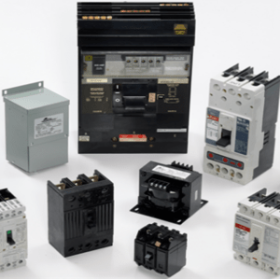
Electrical Items That We Buy & Sell
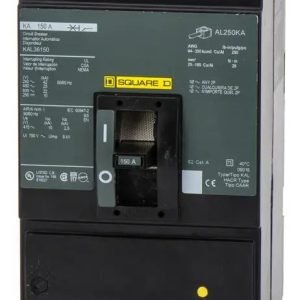
Circuit Breakers
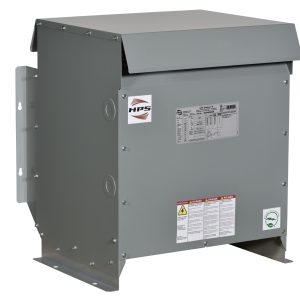
Transformers
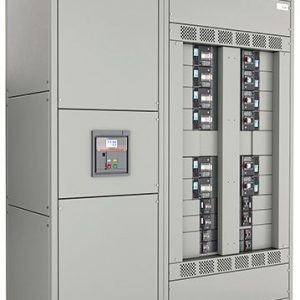
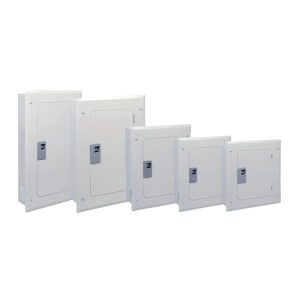
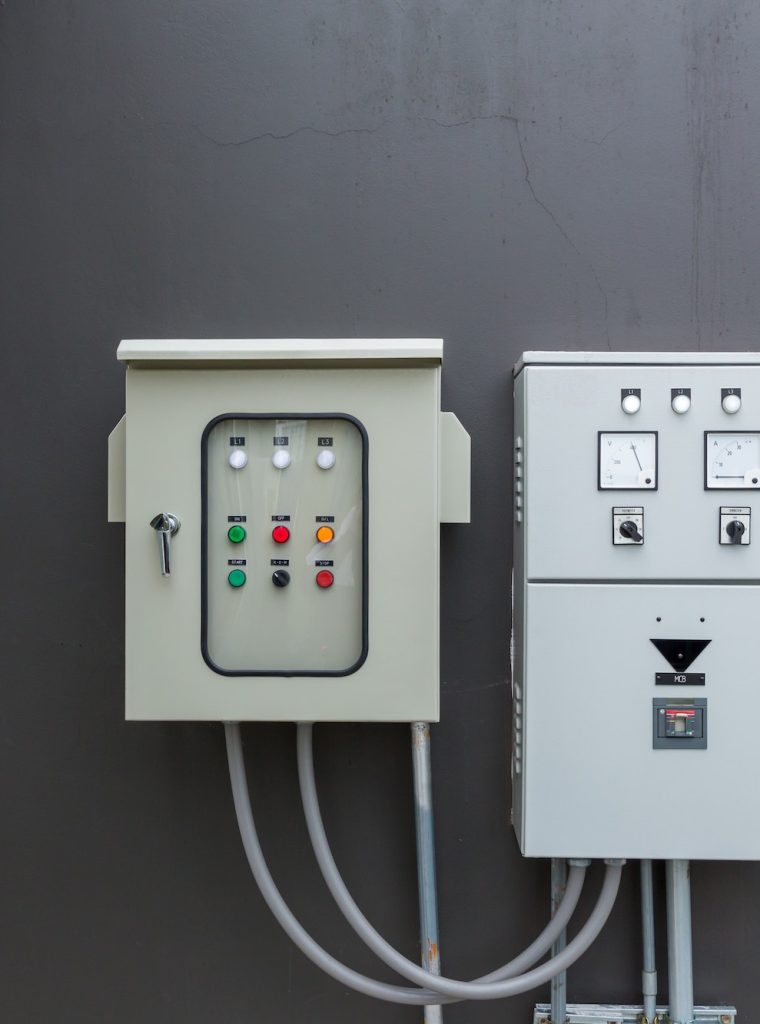
Panels
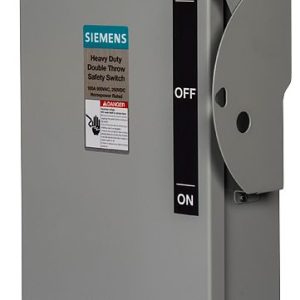
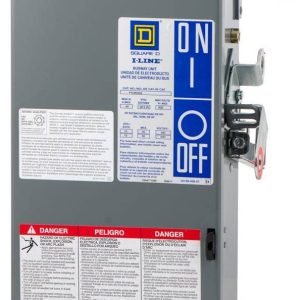
Safety Switches
RCCB
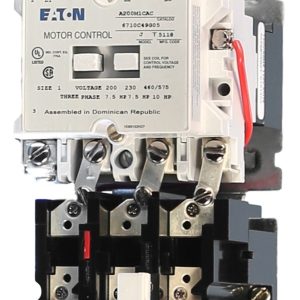
Motor Control
MCB Boxes
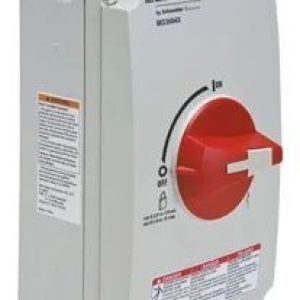
Isolator Switches
Our Process
How We Work
At The Circuit Breakers Source, we work diligently to ensure a smooth and hassle-free experience for our customers. We leverage our industry expertise, a wide inventory, and fair pricing to provide the best solutions for your electrical needs.
Send Us Some Pictures
Send us some pictures to help us assess the condition of your electrical items.
01
02
We Will Make You an Offer
We will make you an offer based on the information and pictures you provide.
Schedule Pick Up
Schedule a pick-up for your electrical items once you accept our offer.
03
What Types of Circuit Breakers Can Be Sold?
- Molded Case Circuit Breakers (MCCBs): MCCBs are widely used in commercial and industrial electrical systems. When selling an MCCB, provide the manufacturer, catalog number, frame size, amperage, voltage, trip information, and interrupting rating when available.
- Low-Voltage Circuit Breakers: Low-voltage breakers come in different designs and applications. Exact ratings and model information are important because breakers with similar appearances may have different electrical specifications.
- Air Circuit Breakers: Air circuit breakers are commonly used in larger power-distribution applications. Drawout or fixed configurations, frame size, trip unit, ratings, accessories, and condition can all be important during an evaluation.
- Vacuum Circuit Breakers: Vacuum circuit breakers are commonly associated with medium-voltage applications. Their voltage class, model, condition, configuration, and available accessories should be documented before selling.
- Insulated Case Circuit Breakers: Insulated case breakers are used in larger electrical distribution applications. Provide the frame rating, trip unit, voltage, amperage, interrupting rating, and model information whenever available.
- Panelboard Circuit Breakers: Panelboard breakers can vary significantly by manufacturer and series. The catalog number is particularly useful because appearance alone may not identify the correct replacement or configuration.
- Industrial Circuit Breakers: Industrial breakers can range from relatively small molded-case units to large power breakers. Provide complete identification and condition information rather than relying on a general description such as “large breaker.”
- Obsolete and Discontinued Circuit Breakers: An older or discontinued breaker is not automatically worthless. Some obsolete models may be difficult for facility owners to replace, which can create secondary-market demand.
However, value still depends on the exact model, condition, completeness, and current demand.
New Surplus Circuit Breakers
New surplus breakers may include unused equipment that is no longer required by the original owner.
Original packaging, factory labels, readable part numbers, and documentation can make the equipment easier to identify and evaluate.
How Much Are Used Circuit Breakers Worth?
How much are used circuit breakers worth? There is no single price that applies to every used breaker.
Current 2026 market guidance shows that value can vary based on brand and series, frame size, amperage, condition, whether the model is current or obsolete, quantity, and how easily the equipment can be resold.
What Determines the Value of a Used Circuit Breaker?
Important factors can include:
- Manufacturer
- Exact model or catalog number
- Series
- Voltage rating
- Amperage
- Number of poles
- Frame size
- Trip unit
- Interrupting rating
- New or used condition
- Testing status
- Physical condition
- Completeness
- Quantity
- Original packaging
- Age and obsolescence
- Current market demand
- Location and transportation requirements
For example, two breakers from the same manufacturer may have very different values because they belong to different series or have different ratings.
Large industrial breakers can also behave differently in the secondary market than common residential branch breakers. A discontinued model may have demand because a facility needs a replacement, while another old model may have little resale demand.
That is why an exact model number and nameplate photograph are more useful than simply saying “I have used circuit breakers.”
Sell Used Circuit Breakers: What You Need to Know
Can You Sell Used Circuit Breakers Removed From a Panel?
Used breakers removed during electrical upgrades may be considered by buyers.
Tell the buyer how the breaker was used and why it was removed. If it was removed during a panel replacement or facility upgrade, provide that information.
Can You Sell Tested and Untested Circuit Breakers?
Testing status should always be disclosed accurately.
If a breaker has been tested, provide available test information. If it is untested or its operating condition is unknown, say so. Do not describe an untested breaker as tested.
Can You Sell Older Circuit Breakers?
Yes, older breakers can still have secondary-market demand. This is especially relevant when a discontinued model is needed as a replacement.
However, age alone does not determine value.
Can You Sell Damaged or Incomplete Breakers?
Some buyers may review damaged, incomplete, or as-is equipment, but acceptance depends on the specific item and its potential use.
Clearly identify missing covers, damaged cases, broken terminals, missing trip units, corrosion, modifications, or other known issues.
Why Accurate Product Information Matters
Accurate information reduces confusion and makes the review process easier.
A buyer needs to know what the equipment actually is before determining whether it fits current purchasing requirements.
Sell Surplus Circuit Breakers in Bulk
What Is Surplus Circuit Breaker Inventory?
Surplus inventory is equipment that is no longer required by the original owner but may still be usable or marketable.
It can include unused project material, warehouse overstock, canceled-project inventory, discontinued products, and breakers removed during upgrades.
Can Businesses Sell Large Quantities of Breakers?
Yes. Businesses may have anything from a small group of breakers to pallets or larger warehouse inventories.
Provide quantities by model whenever possible.
Can You Sell Mixed Circuit Breaker Lots?
Mixed lots can be submitted for review.
However, separating different manufacturers, models, quantities, and conditions can make the inventory easier to understand.
What Happens to Leftover Project Inventory?
After a project is completed, extra breakers may remain in storage. Instead of allowing them to occupy warehouse space indefinitely, the business can review whether the inventory has resale potential.
Why Sell Excess Circuit Breaker Inventory Instead of Storing It?
Unused inventory takes up space and can become harder to identify over time.
Selling surplus equipment can help a business clear storage space and recover value from equipment it no longer needs.
How to Sell Circuit Breakers to a Buyer
The process does not need to be complicated. Good documentation is the most important starting point.
Step 1: Identify the Circuit Breaker
Look for the manufacturer’s label and nameplate.
Step 2: Find the Manufacturer and Model Number
Record the exact model, catalog, or part number.
Do not rely only on the brand name.
Step 3: Check Voltage, Amperage and Pole Configuration
Record the available electrical ratings and configuration.
For larger breakers, also record frame size and interrupting rating when available.
Step 4: Determine the Quantity Available
Count each model separately.
For example, instead of saying “50 breakers,” identify how many units belong to each catalog number.
Step 5: Document the Condition
State whether the equipment is:
- New in box
- New surplus
- Used
- Tested
- Untested
- Reconditioned
- Damaged
- Incomplete
- As-is
Step 6: Take Clear Photos
Take a wide photograph of the complete inventory and close-up photographs of nameplates, model numbers, ratings, terminals, accessories, and visible damage.
Current buyer guidance repeatedly recommends current overall photographs and readable nameplates as part of the initial review.
Step 7: Share Your Location
Provide the city and state where the breakers are stored.
For larger lots, also mention loading access and any known pickup restrictions.
Step 8: Request an Evaluation or Quote
Send the available information to the buyer.
A complete submission usually produces a more useful review than a message that only says, “I have breakers for sale.”
Step 9: Review the Offer and Selling Terms
Before completing a transaction, confirm the agreed price, payment method, pickup or shipping arrangements, responsibility for transportation, and any other transaction terms.

Our Products
Popular Categories
Years Of Experience
Who We Are
Best Electrical Equipment Supplies Buyers And Sellers
As a leading electrical items supplier, we pride ourselves on providing high-quality electrical products at competitive prices. With a commitment to customer satisfaction, we aim to be your go-to source for all your electrical needs and accessories. We are also buyers for your electrical items, accessories and products, making it easier than ever to upgrade your inventory.
Fair Pricing
We are committed to providing fair pricing for our electrical equipment.
Customer Support
We provide exceptional customer support at all stages.
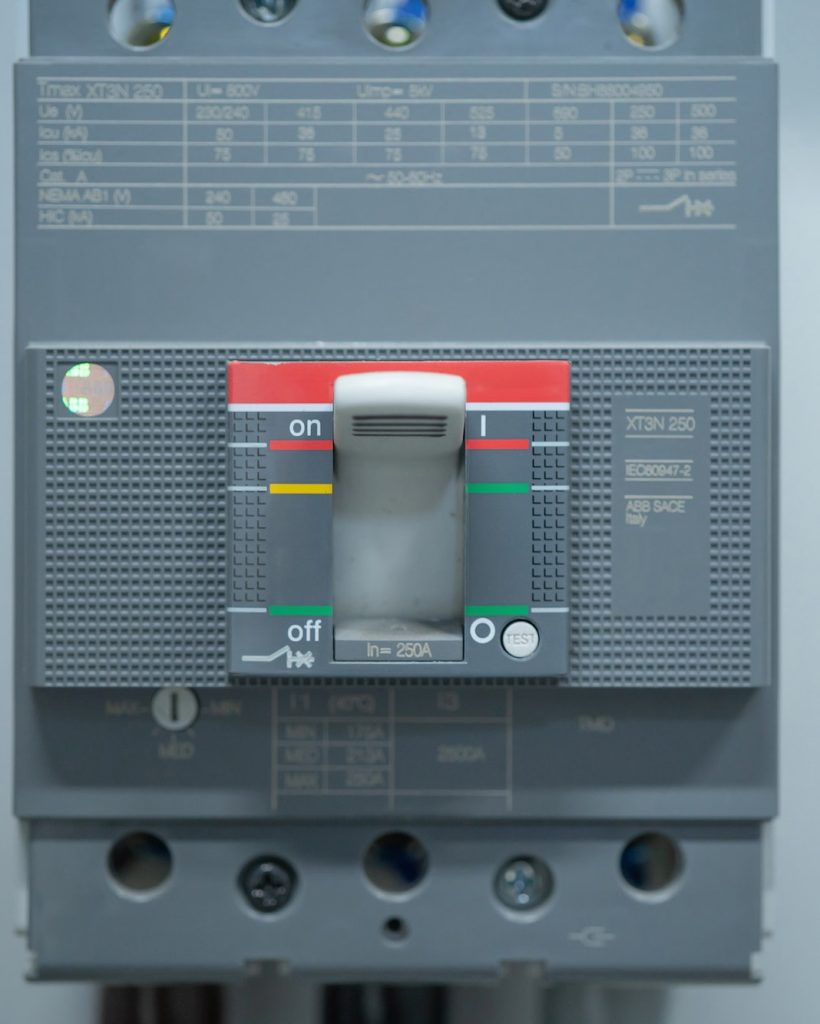
How to Read a Circuit Breaker Nameplate Before Selling
The nameplate is one of the most useful sources of identification.
Look for:
- Manufacturer
- Model number
- Catalog number
- Voltage
- Amperage
- Frame rating
- Interrupting rating
- Poles
- Trip unit
- Series
- Serial number when relevant
Take a clear photograph even if you are unsure what every marking means.
A buyer can use the visible information to determine what additional details are needed.
Circuit Breaker Buyers Near Me: What Should You Look For?
When searching for used circuit breaker buyers near me, consider more than location.
Local Buyer vs. Nationwide Buyer
A local buyer may be convenient for nearby inventory, especially when pickup is important.
A nationwide buyer may be useful when the equipment is specialized or when you have a larger inventory that requires broader market access.
Do Buyers Purchase Single Breakers or Bulk Lots?
Buyer requirements vary. Some buyers focus on larger lots, while others may review individual breakers, especially if the model is identifiable and has secondary-market demand.
Does Location Affect Pickup and Transportation?
It can.
Large inventories may require freight, loading equipment, access coordination, or a specific release schedule. Providing these details early helps avoid surprises.
What Should You Send a Buyer Before Calling?
Have these details ready:
Manufacturer + model number + ratings + quantity + condition + photos + location.
If available, also include documentation, test records, packaging information, and accessories.
Who Can Benefit From Selling Circuit Breakers?
Electrical Contractors With Leftover Materials
Completed projects can leave behind unused breakers and electrical components.
Electrical Distributors With Overstock
Distributors may have discontinued, excess, or slow-moving breaker inventory.
Industrial Facilities During Upgrades
Facility modernization can result in breakers and related equipment being removed from service.
Businesses Clearing Electrical Inventory
Warehouse consolidation and inventory reduction can create surplus electrical equipment.
Construction Companies With Project Surplus
Canceled or redesigned projects can leave unused electrical materials.
Facilities With Obsolete Electrical Equipment
Older equipment may still have value if another facility needs a replacement.
Common Reasons Businesses Sell Circuit Breakers
Businesses may decide to sell because of:
- Electrical panel upgrades
- Facility renovations
- Project completion
- Warehouse overstock
- Discontinued product inventory
- Facility closure
- Equipment replacement
- Canceled projects
- Inventory consolidation
- Electrical system modernization
The important point is to identify the equipment before sending it to scrap. A usable or hard-to-find breaker may have a different value proposition from its raw material content. Current resale guidance emphasizes evaluating equipment identity, condition, completeness and demand rather than applying one blanket price.
How to Prepare Circuit Breakers Before Selling
Before contacting a buyer, organize the inventory.
Separate Different Models and Brands
Do not mix unrelated models if you can avoid it.
Record Exact Quantities
Count identical breakers together and list different models separately.
Photograph Nameplates and Labels
Make sure model and rating information can be read.
Keep Original Packaging When Available
Original boxes, labels, manuals, and documentation can help establish product identity and condition.
Identify Damaged or Incomplete Units
Separate damaged or incomplete equipment from clean inventory.
Prepare an Inventory List
A simple spreadsheet can include:
Manufacturer | Model | Voltage | Amperage | Quantity | Condition |
Brand | Catalog number | Rating | Rating | Units | New/Used/Untested |
This gives the buyer a clear starting point.
What to Check Before Selling Used Circuit Breakers
Do not modify, repair, energize, or test electrical equipment simply to make it easier to sell unless the work is performed by appropriately qualified personnel and under proper safety procedures.
For the selling process, accurate disclosure is more important than making an unverified claim about performance.
Tell the buyer if the equipment is:
- Untested
- Previously installed
- Removed from service
- Modified
- Missing components
- Corroded
- Water exposed
- Physically damaged
- Stored for an extended period
This protects both sides from misunderstandings.
Since 2015
Have Decades Of Experience with Buying and Selling
With decades of experience under our belt, we have a deep understanding of the electrical market. Our expertise allows us to offer fair prices for your items and make the selling or buying process a breeze. Trust us to provide top-notch service and electrifying deals every time!
150+
Our Clients
250+
Completed Projects
75%
Repeat Customers
100%
Target Success
Sell Your Circuit Breakers to TheCircuitbreakersource
What Information to Submit
When contacting TheCircuitbreakersource, prepare:
- Manufacturer
- Model or catalog number
- Voltage
- Amperage
- Quantity
- Condition
- Nameplate photographs
- Overall equipment photographs
- Inventory location
- Available documentation
- Pickup or release information when relevant
You do not need to guess information that is not visible. If a specification is unclear, provide a clear photograph and explain what you know.
How the Evaluation Process Works
TheCircuitbreakersource reviews the information provided about your circuit breakers and determines whether the equipment fits its current buying requirements.
The more complete the information, the easier it is to understand the inventory.
An evaluation is different from an automatic price guarantee. The final terms depend on the actual equipment, condition, quantity, logistics, and transaction details.
What Happens After You Submit Your Inventory?
You may be asked for additional photographs, model numbers, quantities, condition information, or location details.
After the equipment has been reviewed, the available transaction terms can be discussed.
For larger lots, pickup, loading, access, freight, and timing may also need to be confirmed.
Contact TheCircuitbreakersource
If you have new, used, obsolete, or surplus circuit breakers, TheCircuitbreakersource can review your electrical inventory.
With 15+ years of experience, the company focuses on clear equipment identification, practical communication, and a straightforward review process.
Whether you have a few unused breakers from a completed project or a larger surplus inventory, start with the basics: model numbers, ratings, quantity, condition, photos, and location.
That information gives a circuit breaker buyer what they need to understand your inventory and determine the appropriate next step.
Why Choose Us
We Deal in All Types of Electrical Equipment.
Huge Product Range
We provide a diverse inventory of high-quality electrical items at your service.
Customer Feedback
Explore our positive reviews and testimonials from satisfied customers.
Competitive Pricing
Our transparent pricing policies have no hidden fees or markups.
Fast Shipping
Our orders are processed and shipped quickly to ensure prompt delivery.
Get an Appointment
Get an Appointment Today!
Our Blogs
Read Our Latest Blogs
Where to buy breakers today
Where to Buy Breakers Today: Find the Right Circuit Breakers Fast When you need a
Buy circuit breakers online
Finding the right circuit breaker should not be difficult. Whether you are replacing a failed
About Electrical Equipment – Complete Guide 2025
Every home, business, and industrial facility relies on electrical systems to ensure power runs smoothly
What Is an Electrical Panel and How It Works – Complete Guide
When something goes wrong, like a light bulb going out, an outlet not working, or
What Is Switchgear and How It Works? Complete Guide 2025
Electricity is like the lifeblood that keeps our world running. However, it must be carefully
What Is an Arc Fault Circuit Breaker and How does it Work?
Have you ever plugged something in and noticed a quick spark or a slight flicker
FAQ
Frequently Asked
Used circuit breaker buyers may review breakers based on manufacturer, exact model, ratings, condition, quantity, completeness, location, and current demand.
You can approach direct electrical equipment buyers, online marketplaces, electrical surplus buyers, or specialized circuit breaker buyers. For larger lots, a direct buyer may simplify the evaluation and logistics.
There is no universal price. Value depends on the exact model, manufacturer, ratings, condition, quantity, completeness, age, availability, and current secondary-market demand.
Potentially marketable categories include MCCBs, low-voltage breakers, air circuit breakers, vacuum circuit breakers, insulated case breakers, panelboard breakers, industrial breakers, obsolete breakers, and new surplus breakers.
Yes. Surplus breakers from projects, warehouses, upgrades, distributors, and facilities can be submitted for review.
New, unused, and new-surplus breakers can be attractive inventory, particularly when the model, packaging, and product identification are clear.
Older and discontinued breakers may have secondary-market demand when facilities need replacement equipment. The exact model and condition still need to be evaluated.
Yes. Provide an inventory list with models, quantities, conditions, photos, and location.
Search for specialized electrical equipment buyers in your area and compare their buying requirements, equipment categories, pickup options, and review process.
The most useful starting information is manufacturer, model or catalog number, voltage, amperage, configuration, quantity, condition, photographs, and location. Current buyer guidance also commonly requests access, pickup timing, and documentation for larger equipment reviews.
They may. Explain why the breaker was removed and provide its model, ratings, condition, and photographs.
Yes, mixed inventory can be submitted. Separating models and quantities makes the review easier.